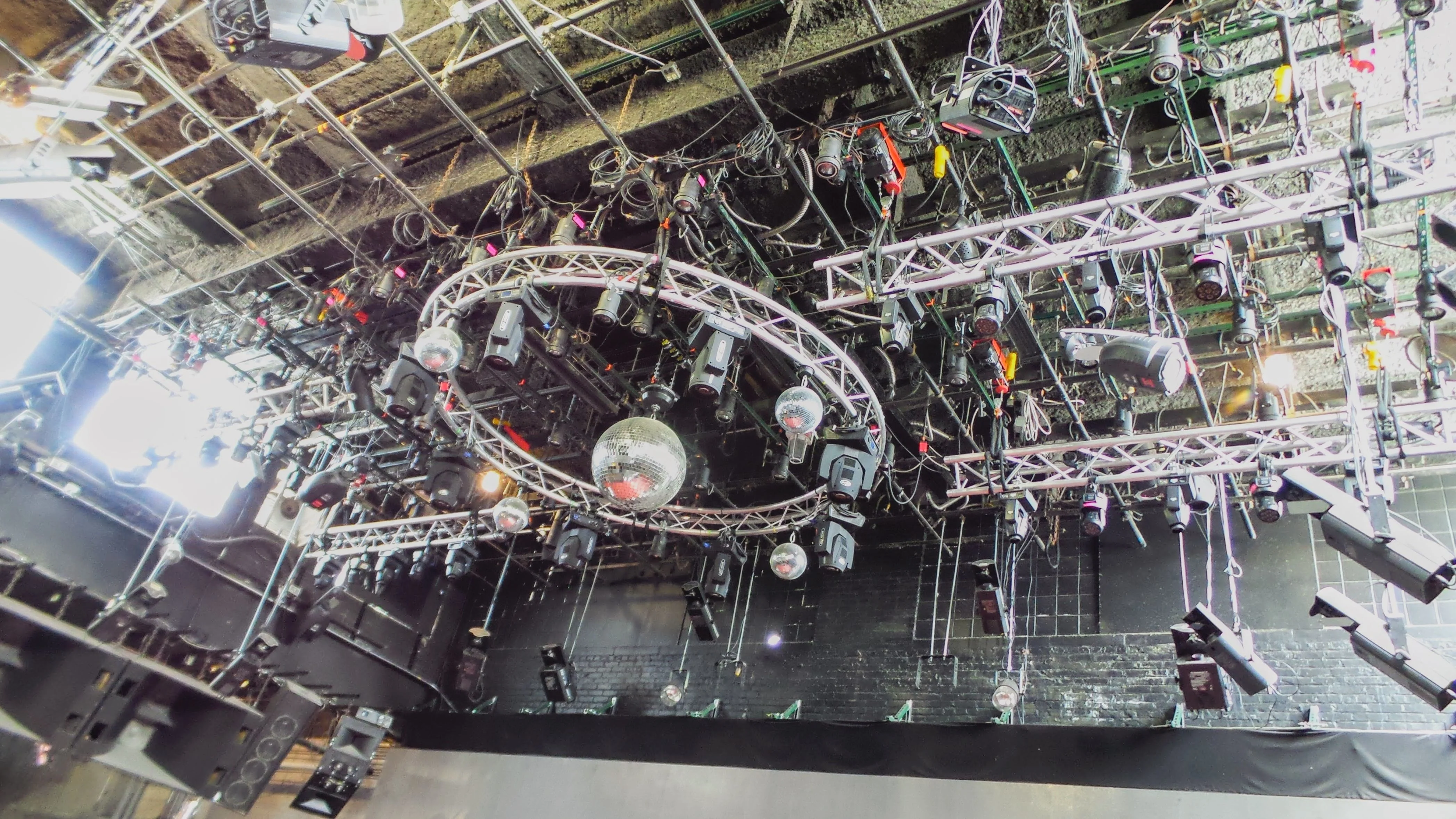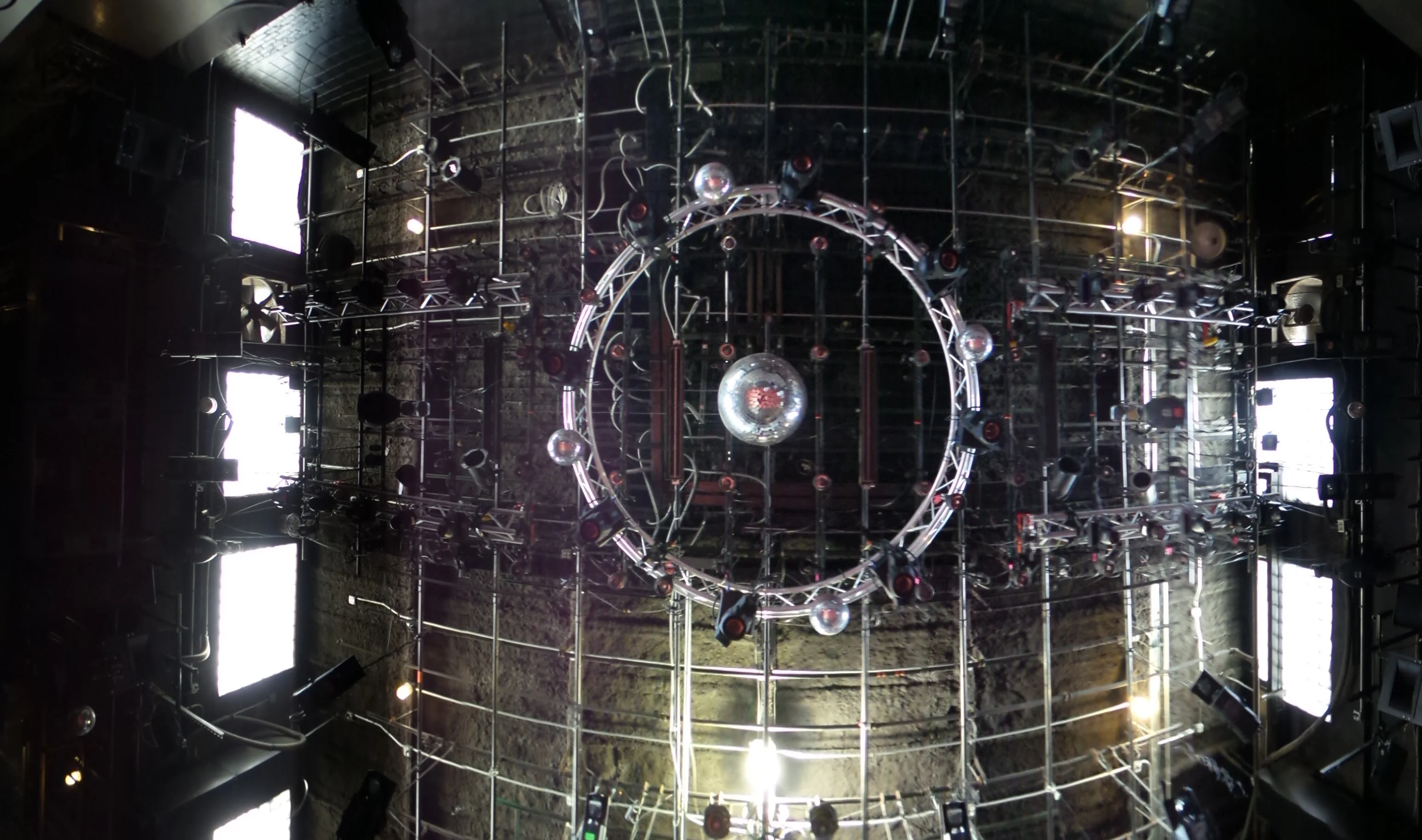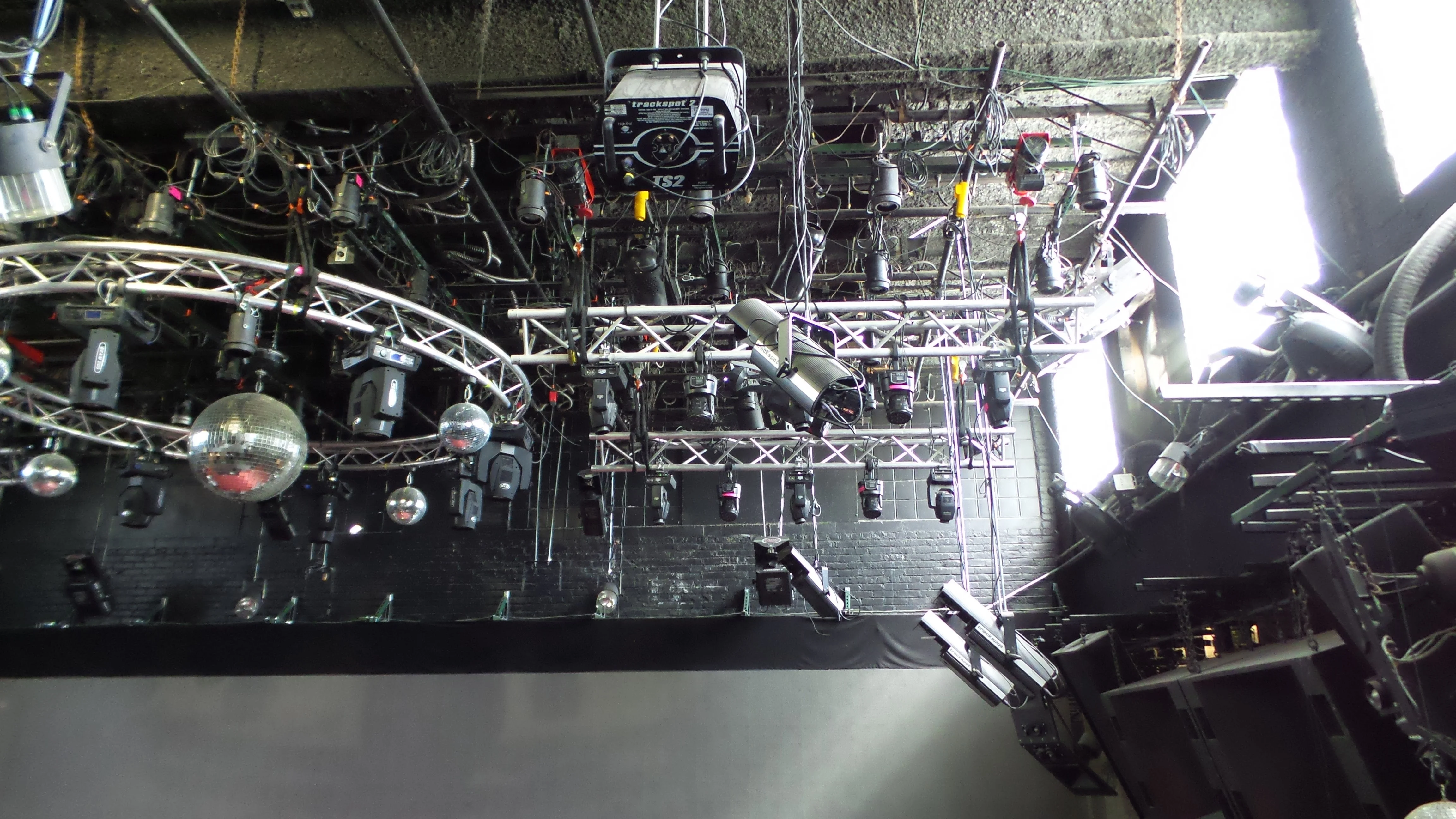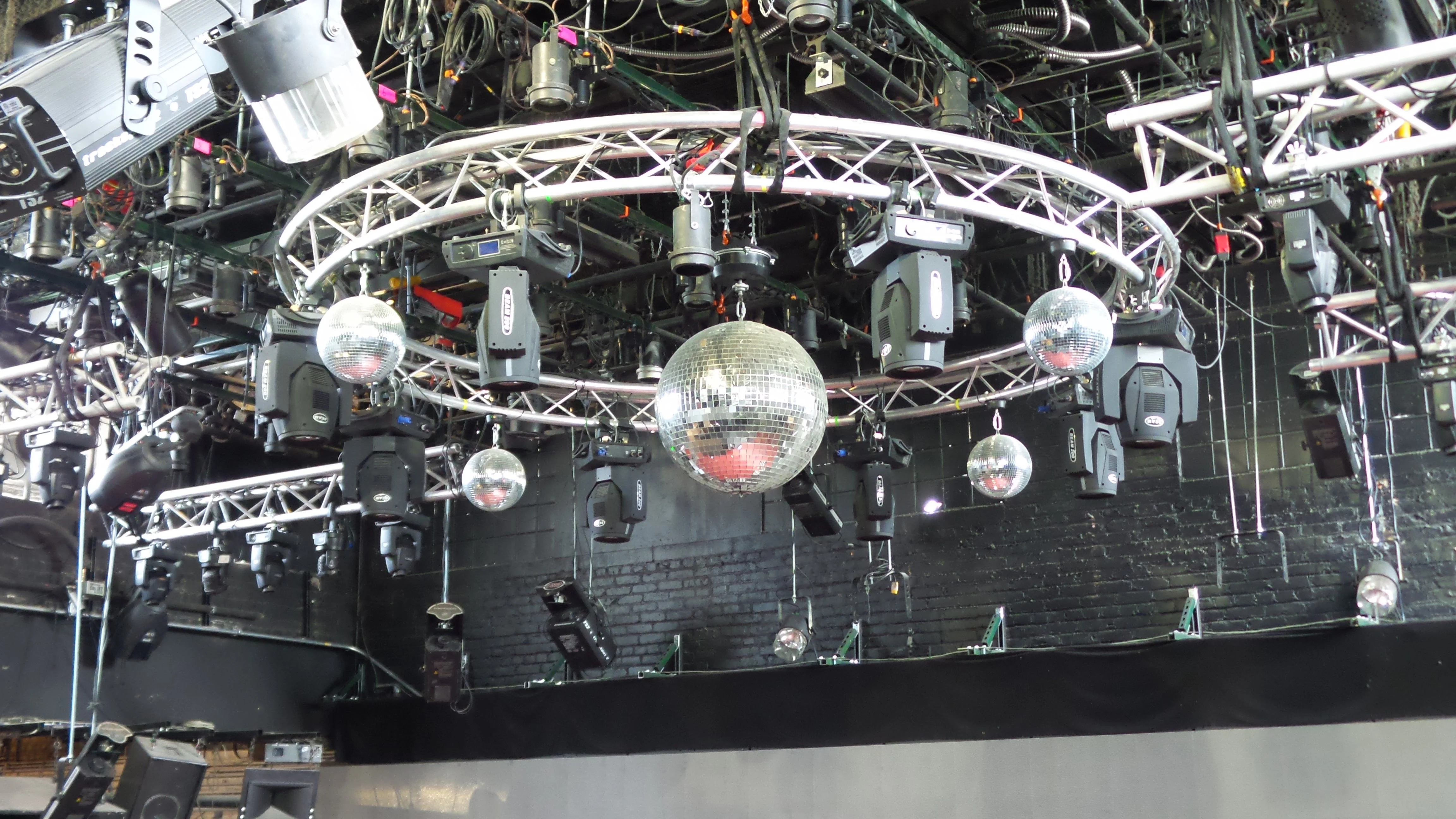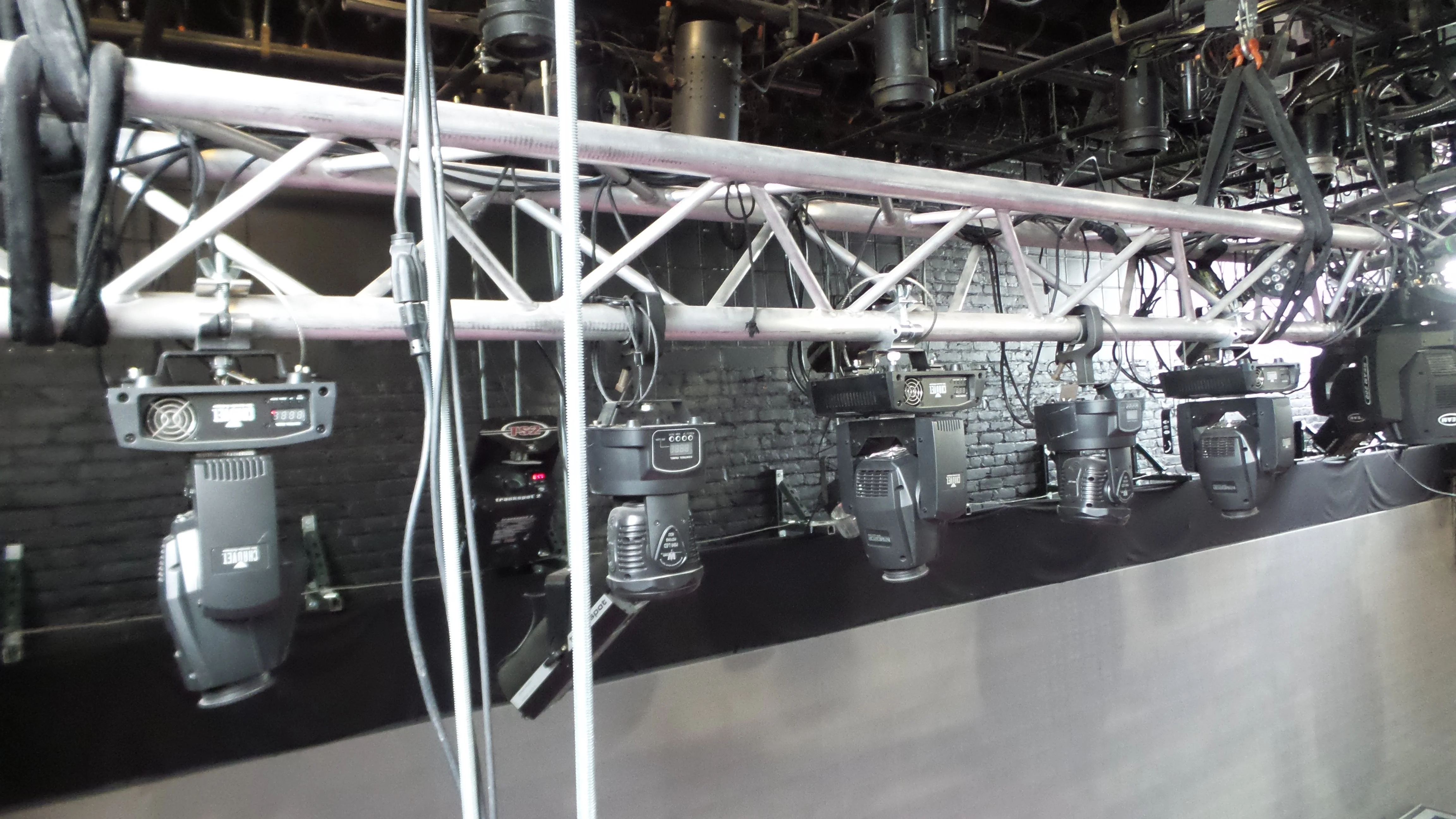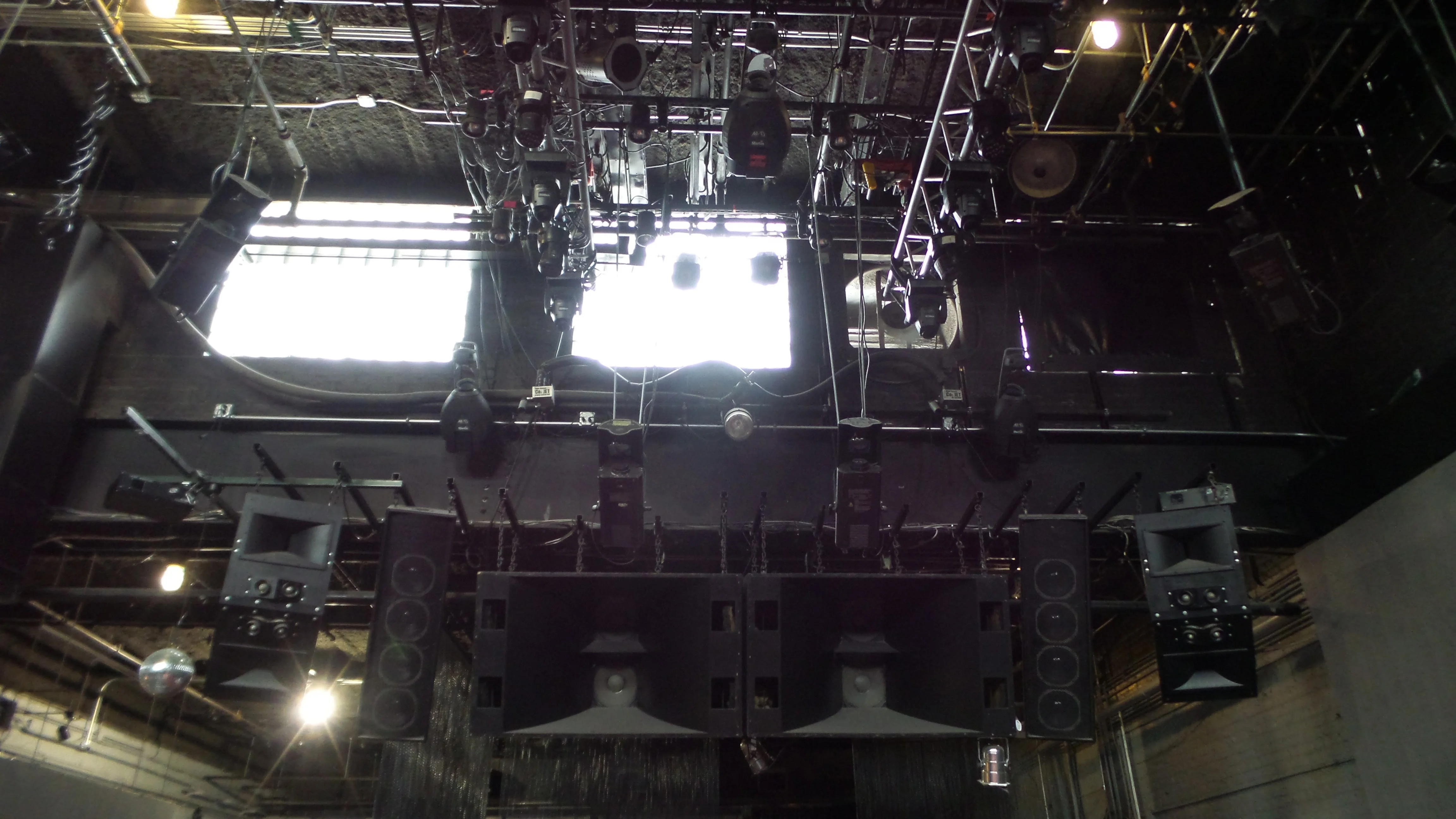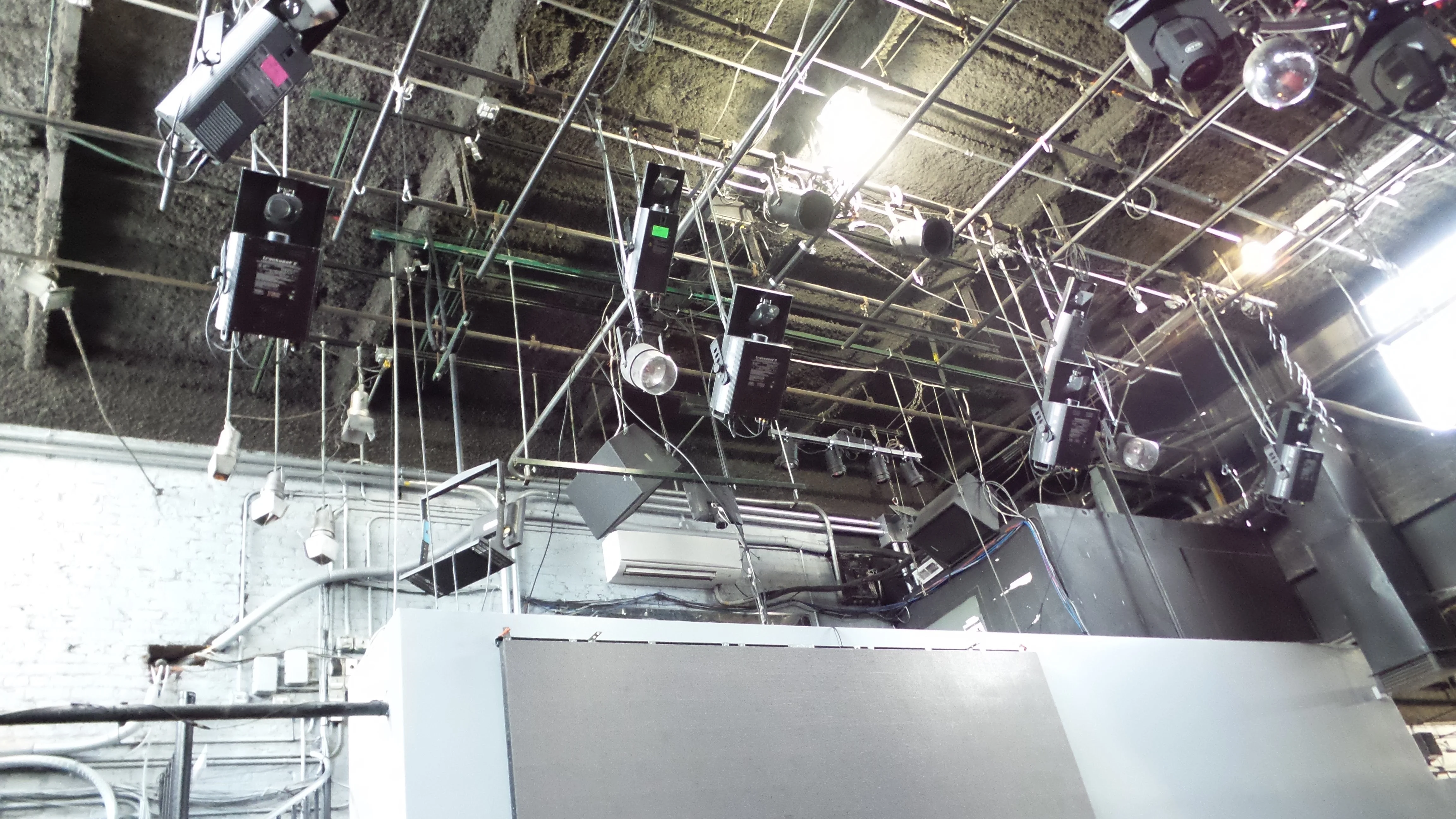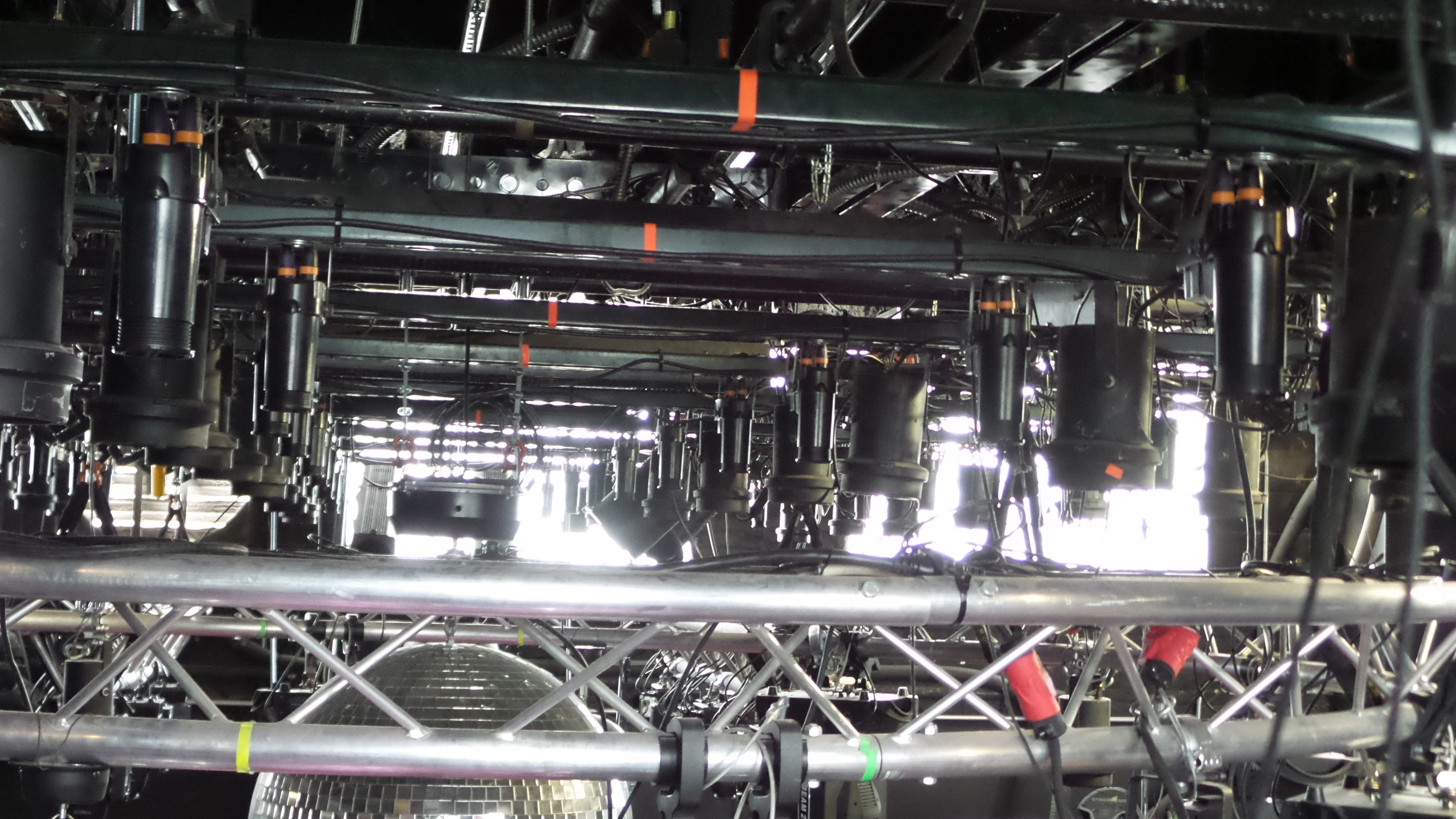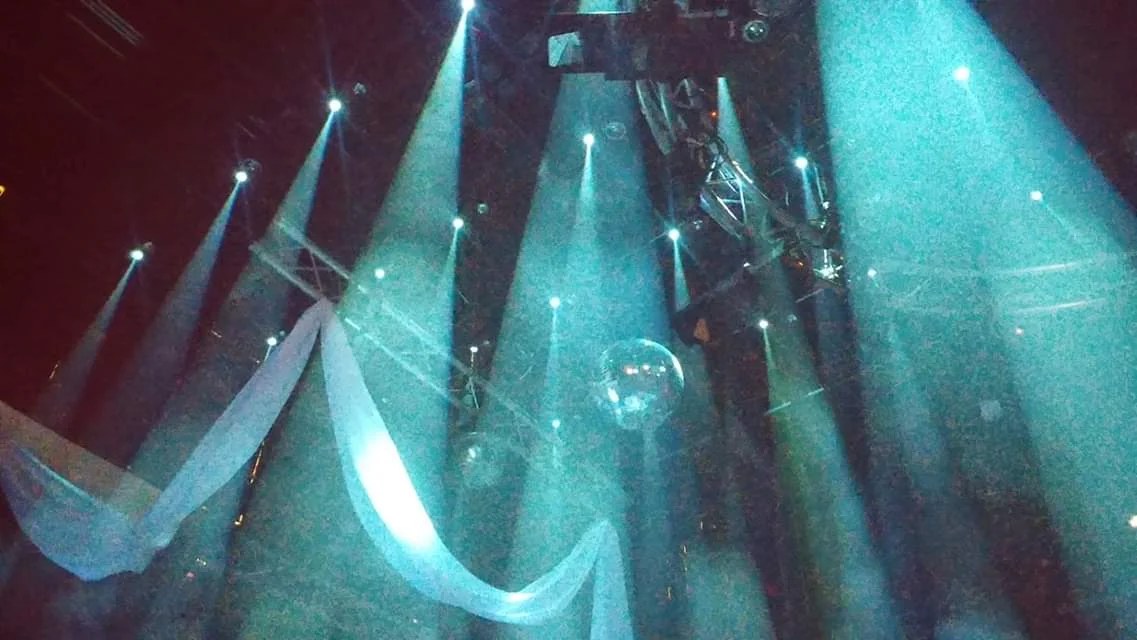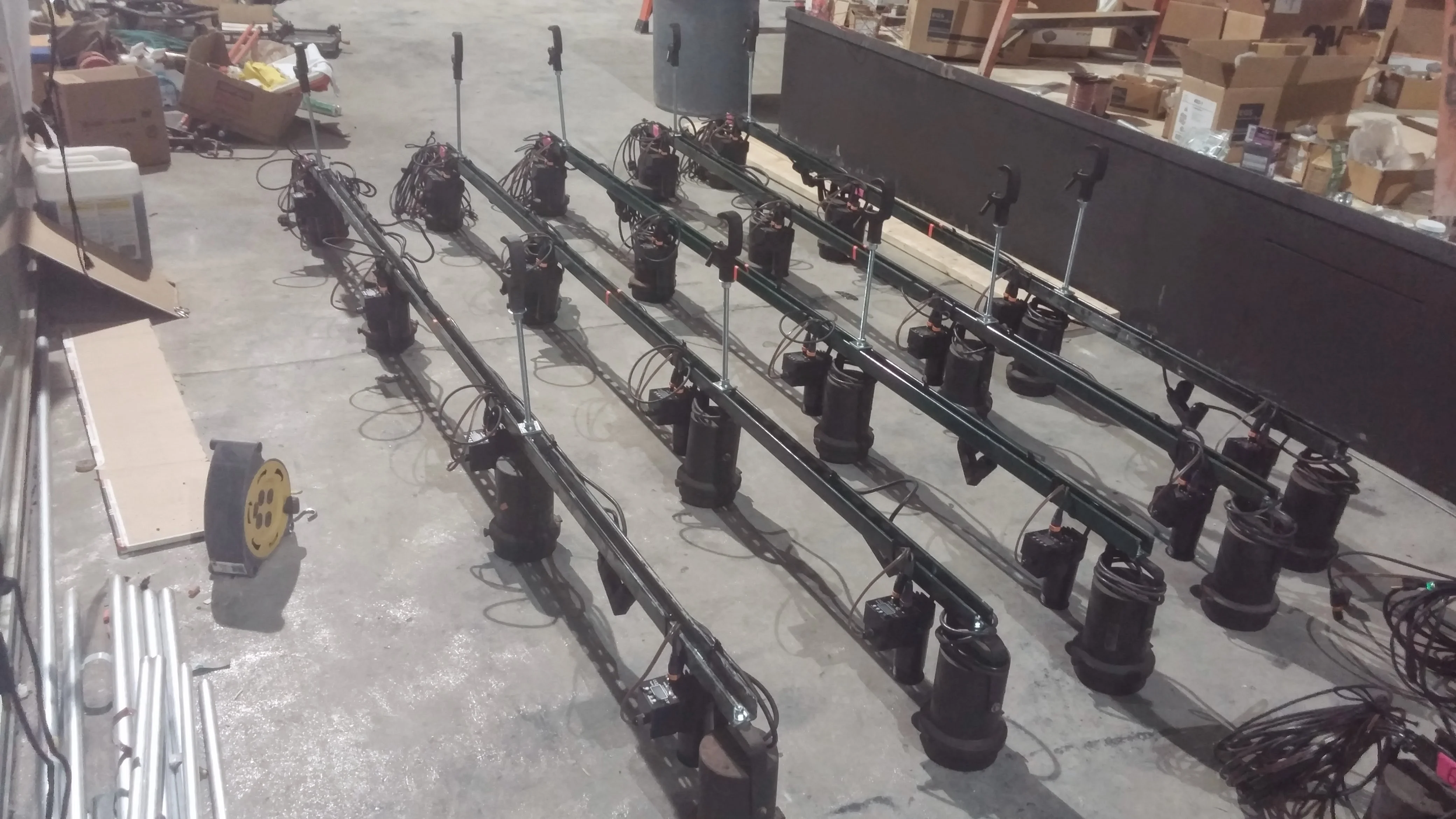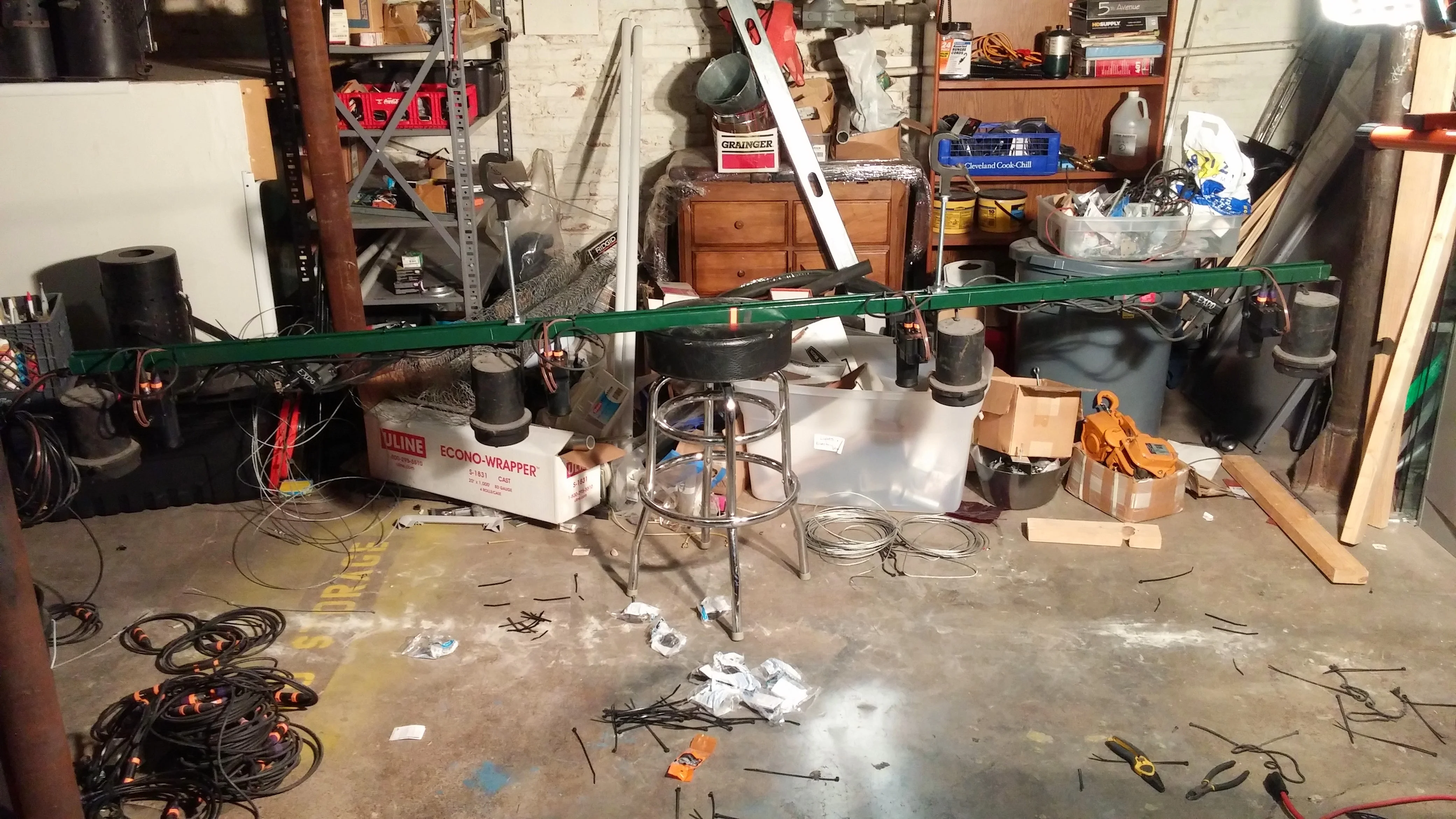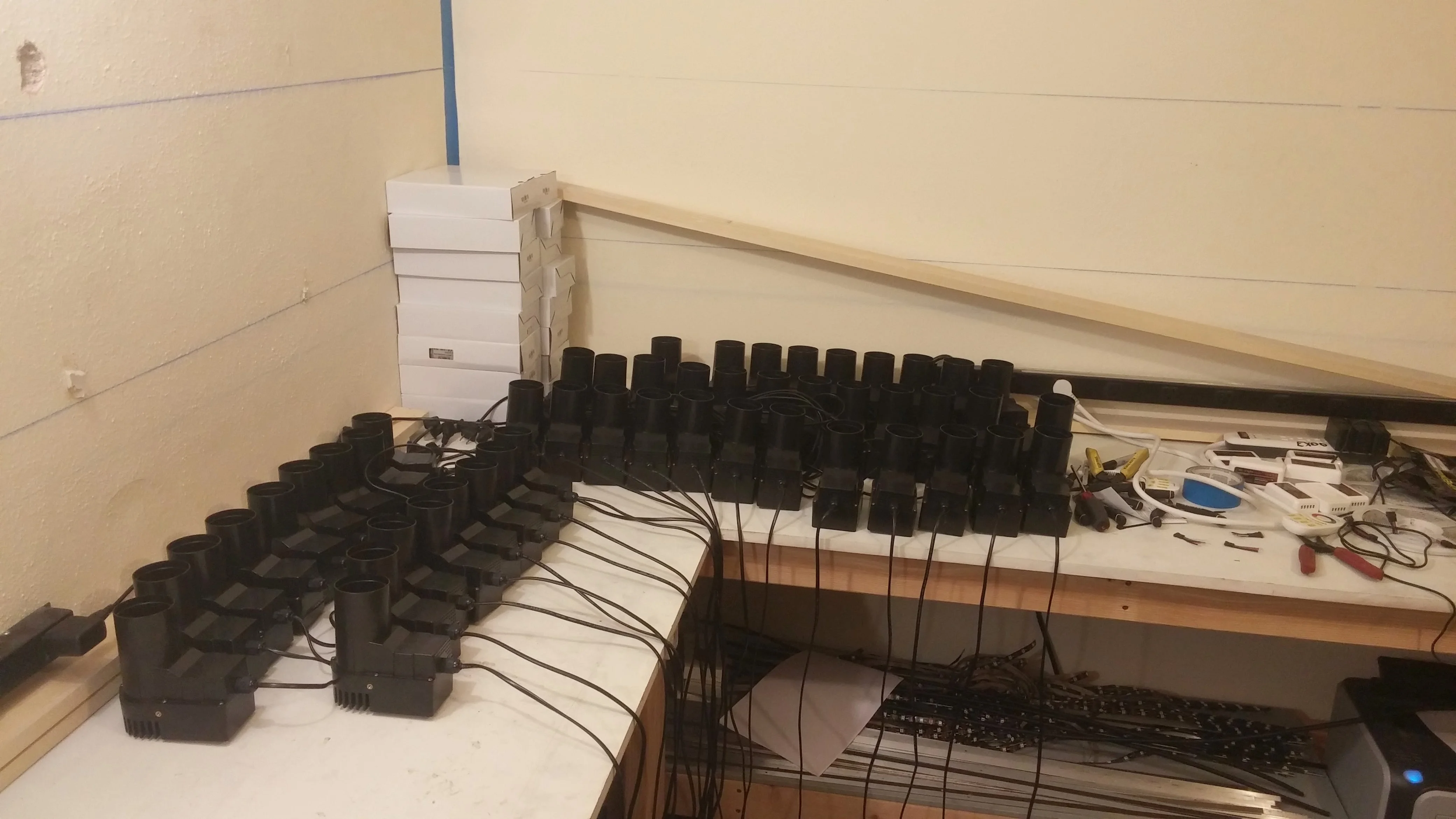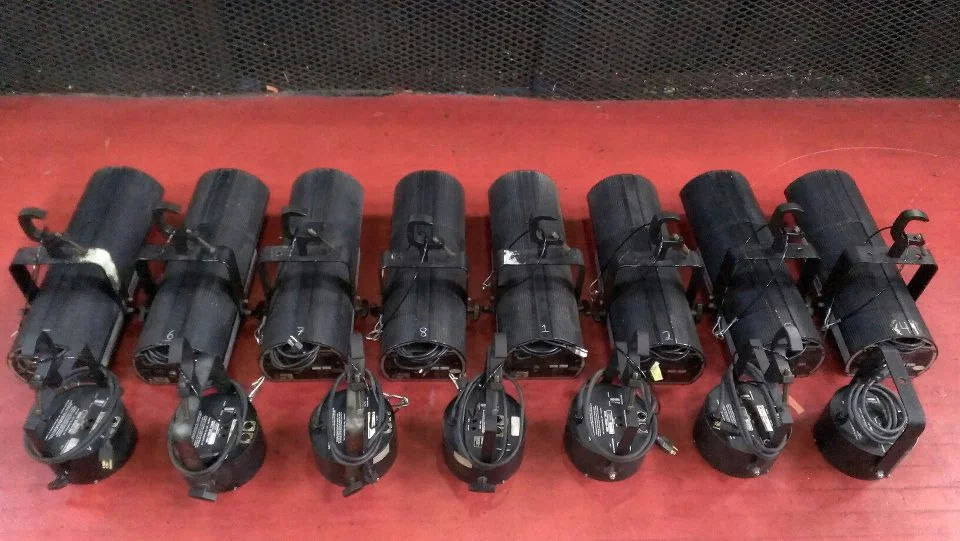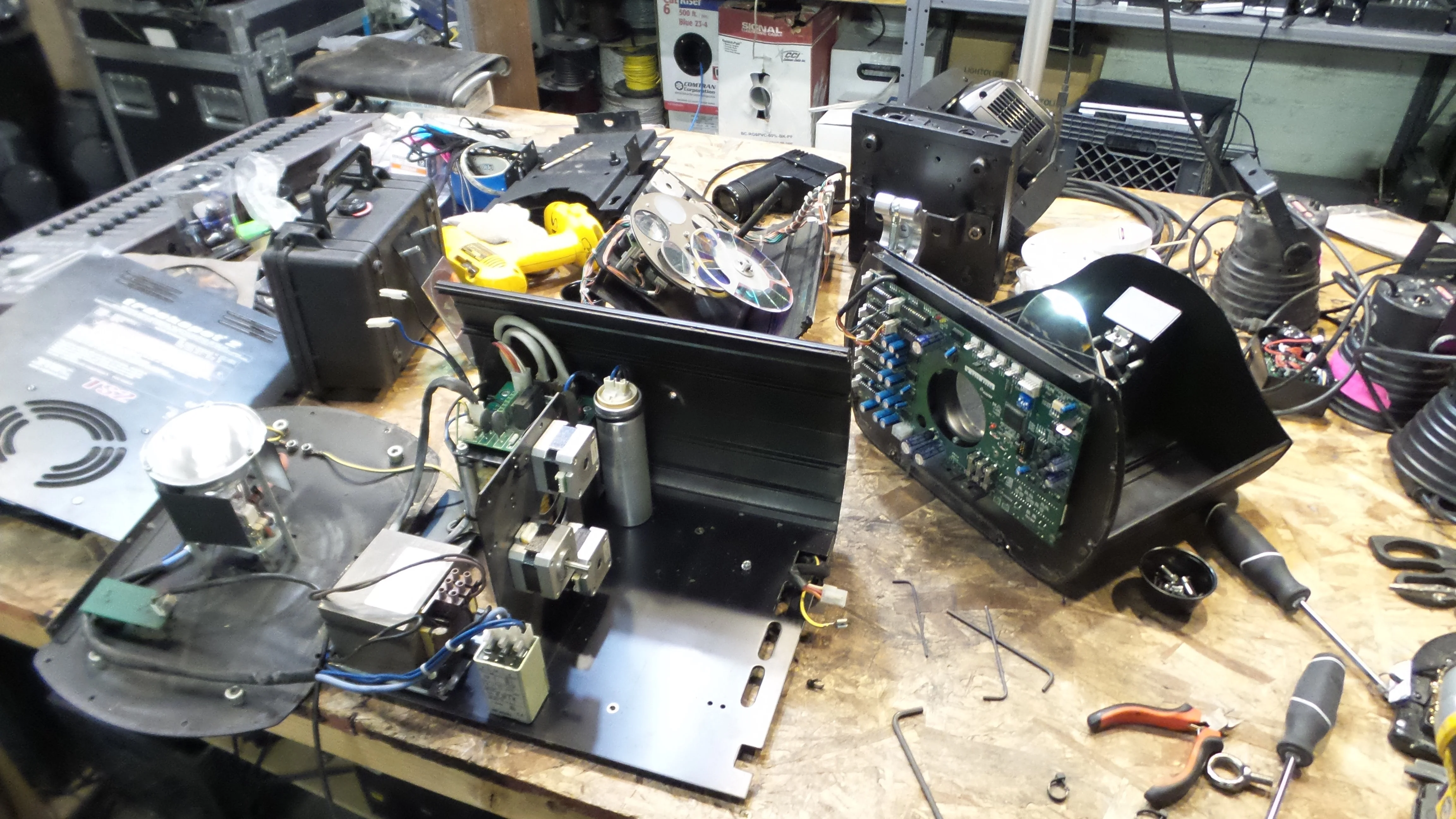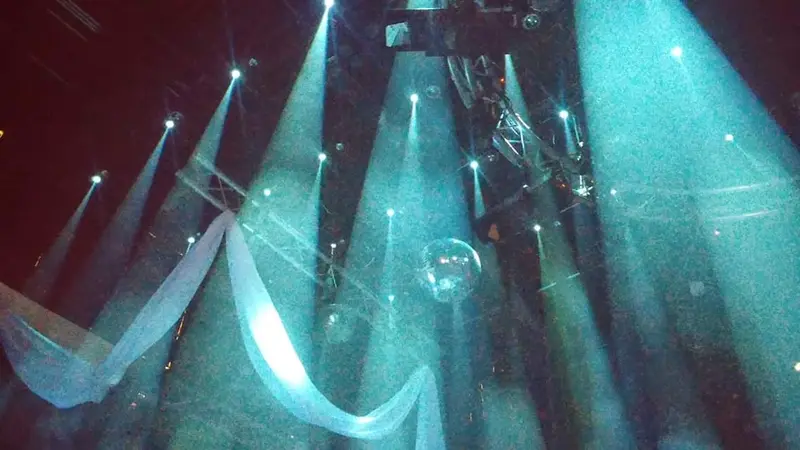
Twenty-six vintage scanners surrounding the crowd, kept alive by cannibalizing dead units in the basement shop.
About the project
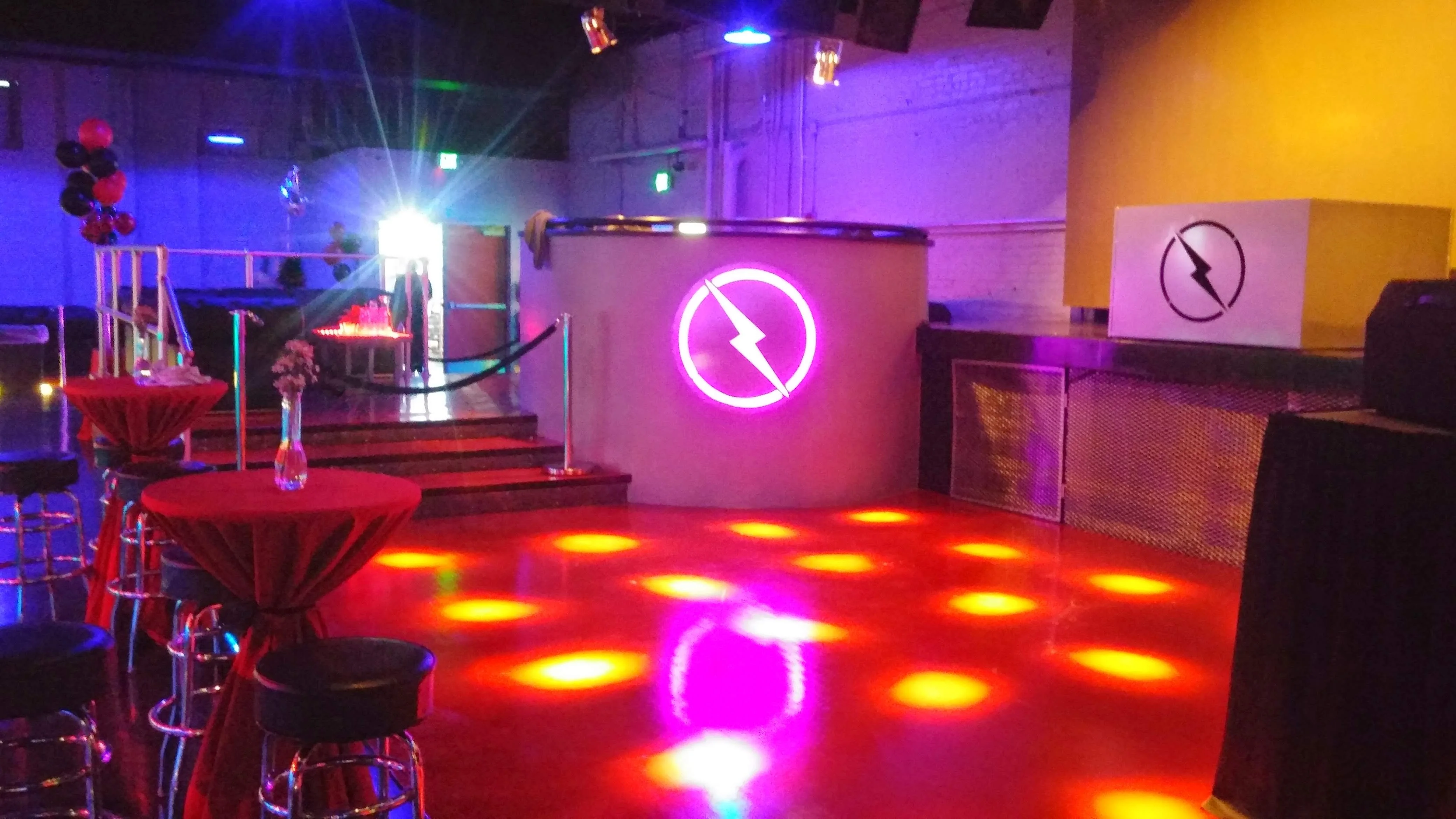
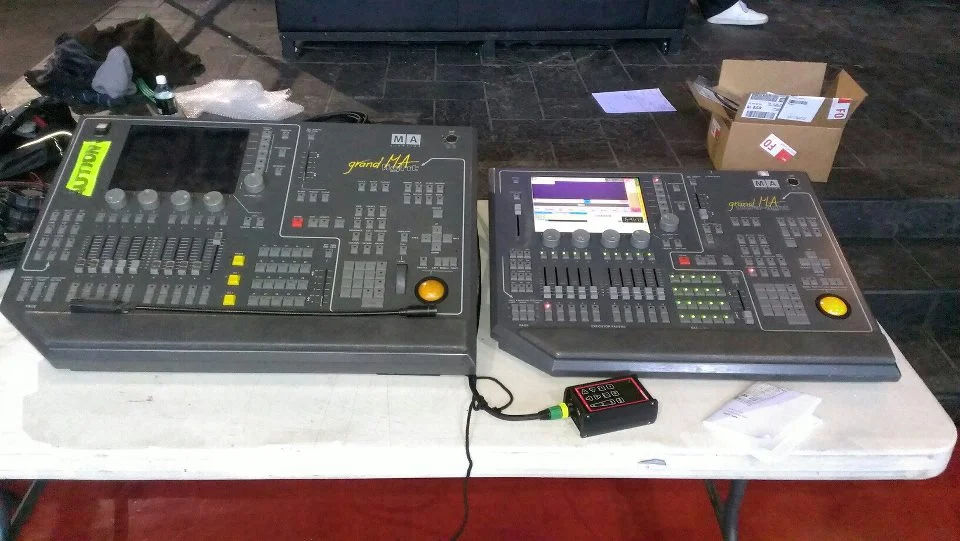
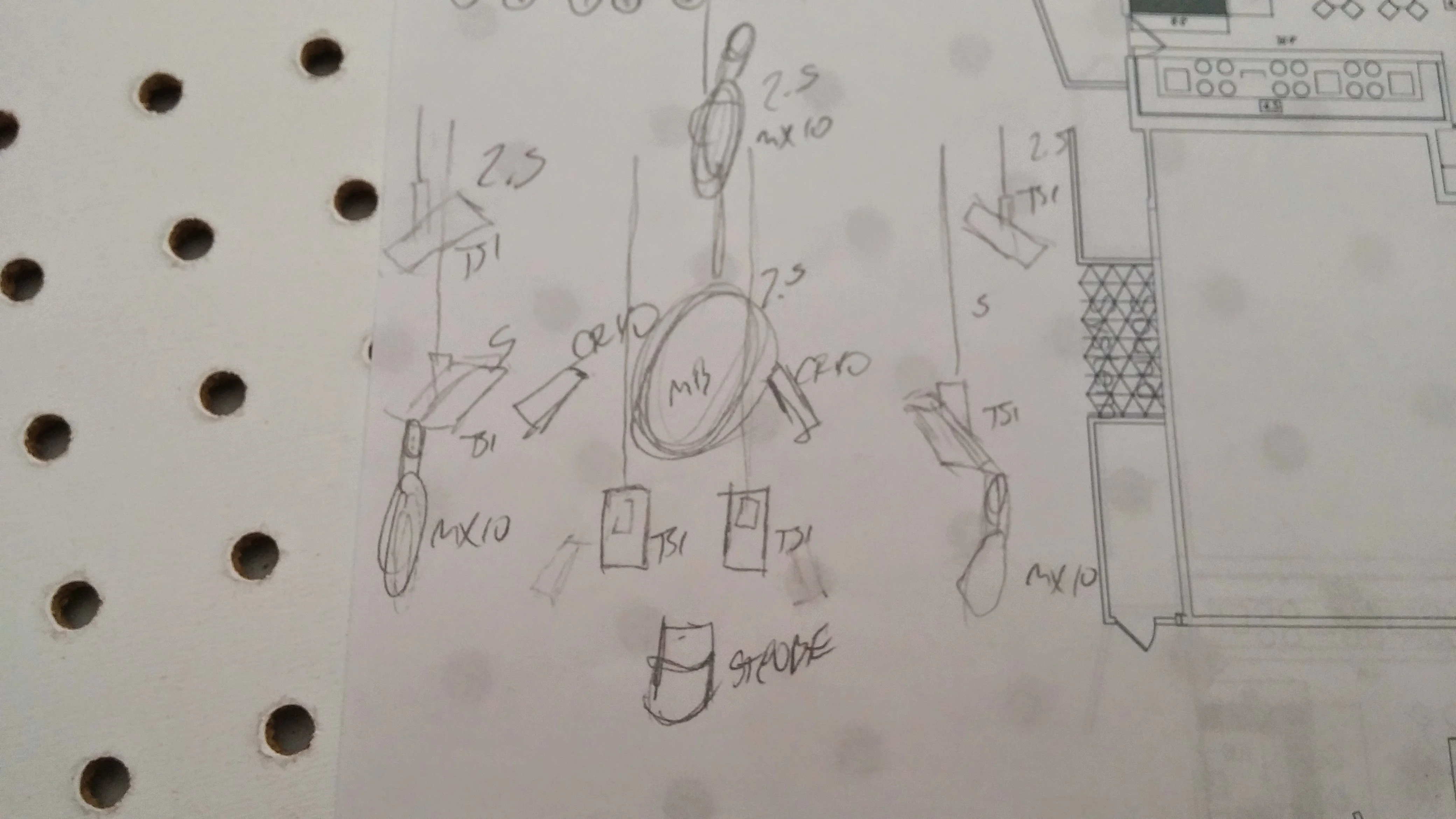
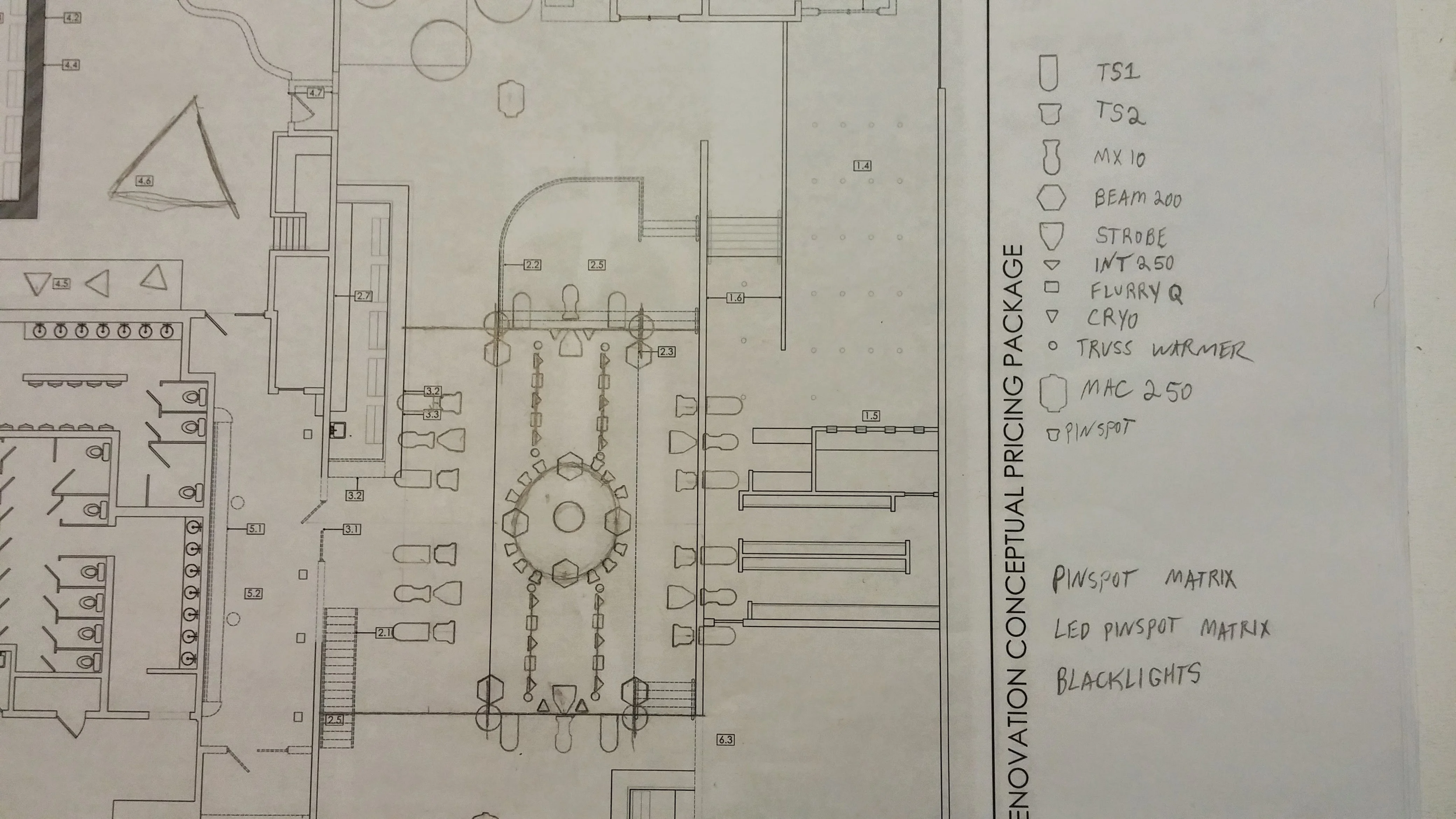
Tracks was one of the last classic discotheques left in the country. The design rule was simple: surround the crowd, and keep the focus off the DJ booth. To put the audience directly inside the show, I stacked 26 vintage scanners across three layers in the ceiling. Twelve Trackspot 1s circled the dance floor. Eight Trackspot 2s flanked the sides in straight lines, and six Martin MX10s hung in tilted triangles overhead. I mixed them with pinspots, mirror balls, DataFlash strobes, and modern LEDs, all run from an old GrandMA Light Gen 1 console. Its motorized faders and audio BPM detection were exactly what the room needed.
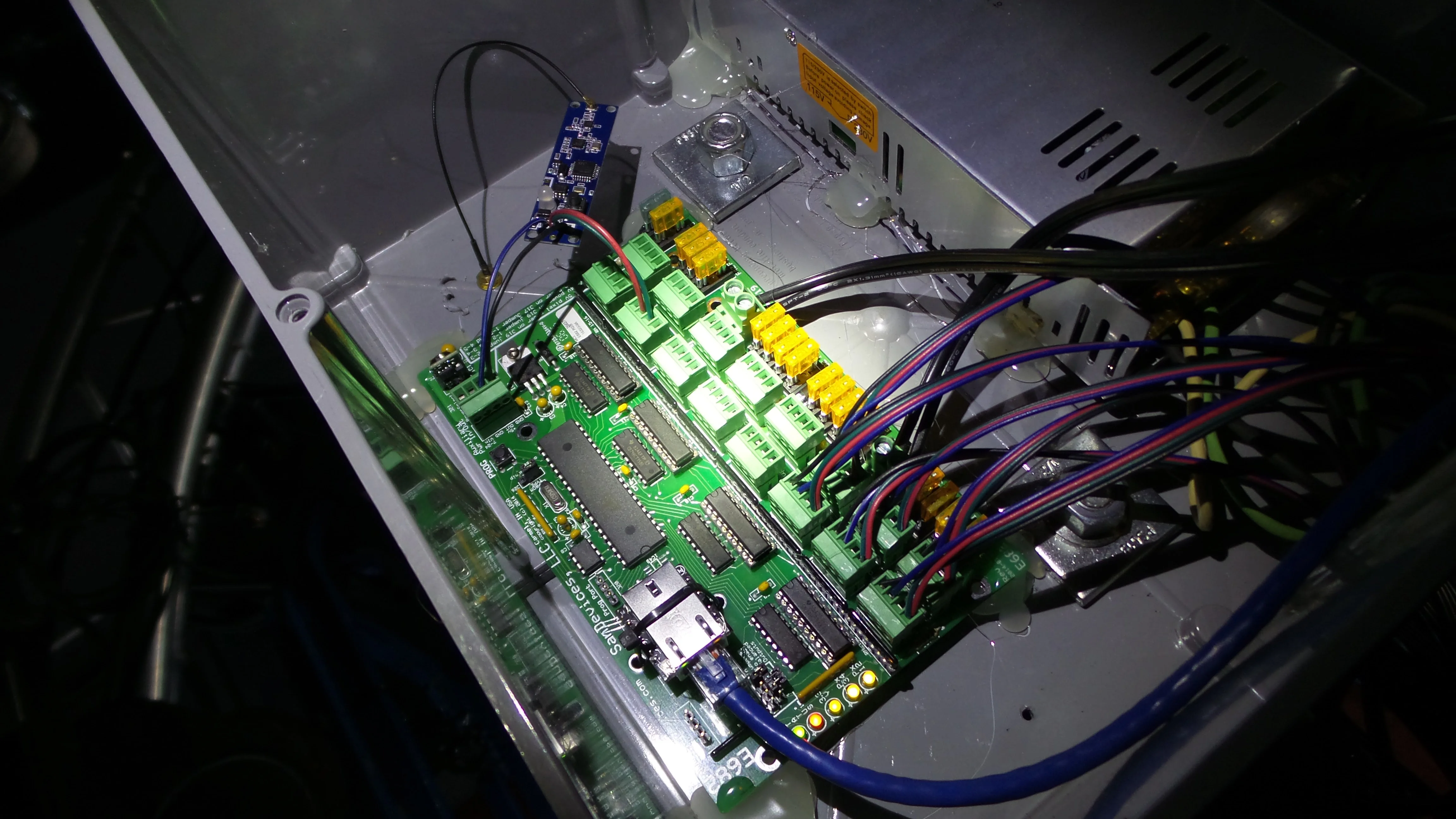
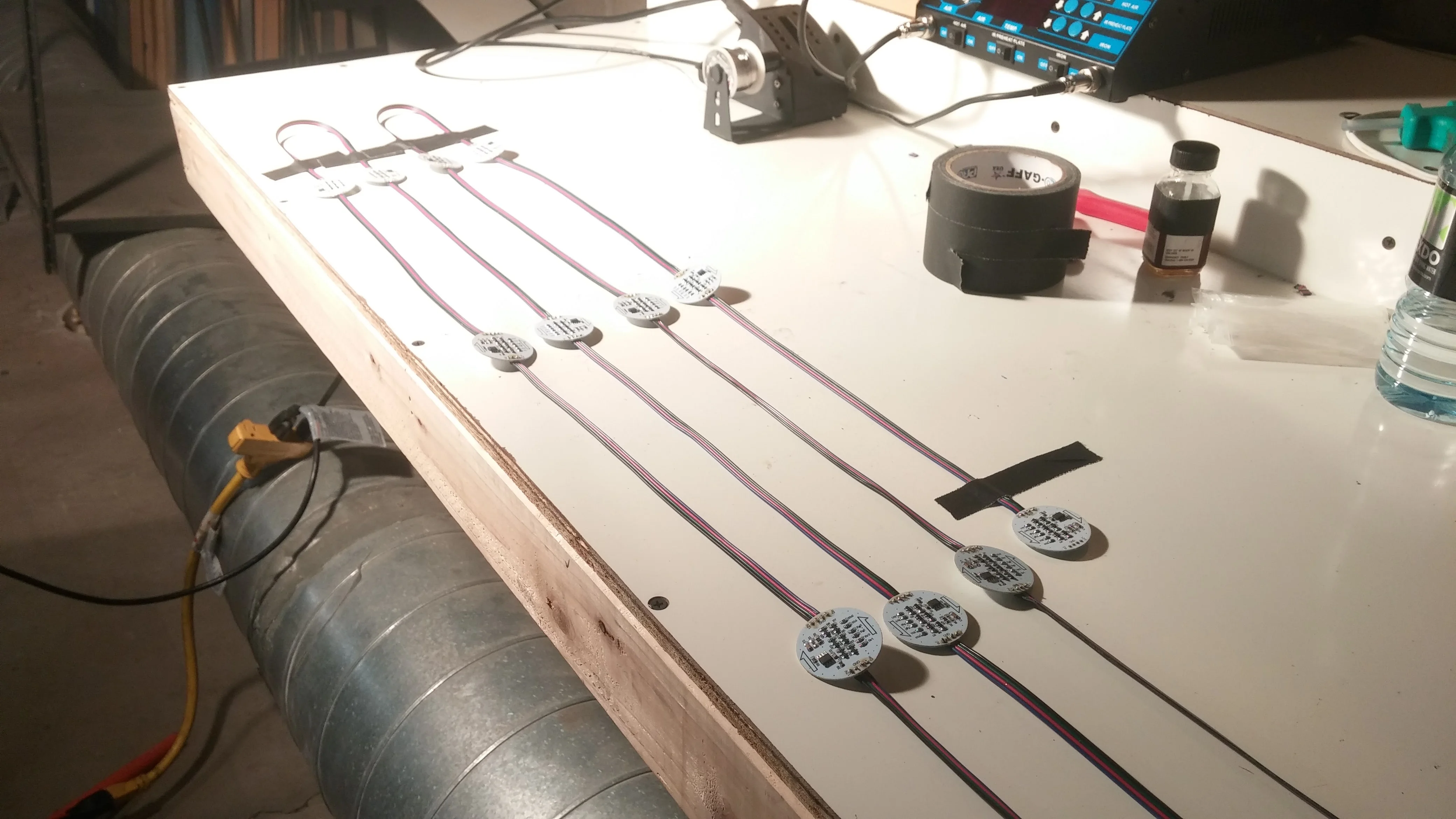
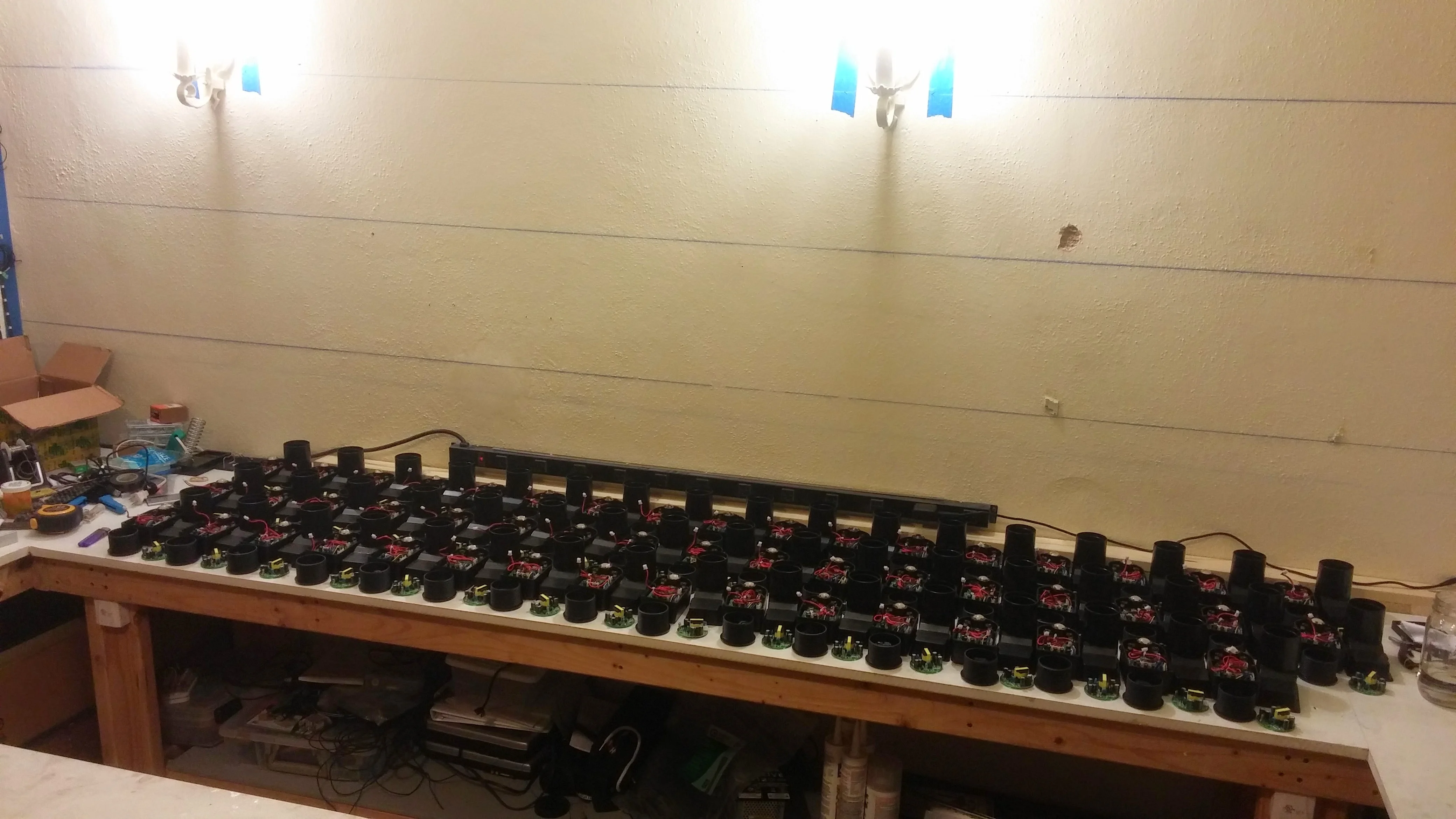
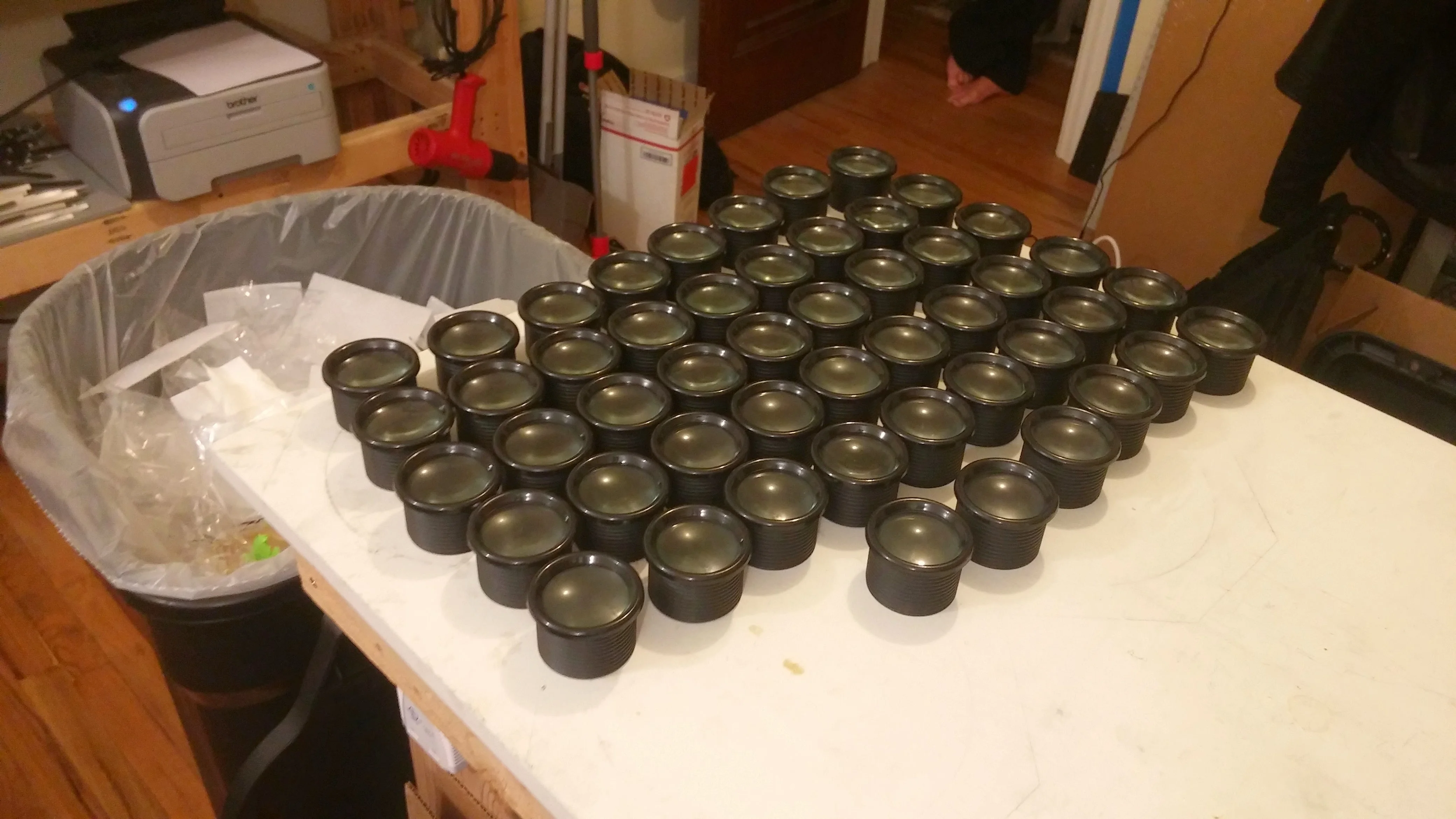
For an unconventional layer, I built a dynamic truss warmer. I took leftover raw pixel PCBs from the Lobby Wall install, stuck adhesive zip-tie mounts to the back, and strapped them to the bottom pipe of the triangular truss. I aimed them straight up. The point was to illuminate the metal, not light the crowd. If I pointed them down, the bare diodes would sit directly in the patrons' line of sight.
The contrast between the hardware defined the look. Modern moving heads provided the brightness, but the 90s/2000's scanners were incredibly fast and locked onto a beat. The problem was keeping them alive. Stepper motor brakes failed. Scanners would start stuttering during slow movements and lose their tracking. The circuit boards were at least a decade obsolete, so we cannibalized dead units in the basement shop, replacing blown capacitors and motor drive chips to keep the rig running.
I expect a programmed sequence to look the same every time I recall it. With vintage mechanics, that was a constant fight. When a scanner lost its position mid-show, I would drop its intensity to zero and intentionally slam the mirror into its hard stops to force it back into alignment. When the room was packed and the console locked onto the beat, the sheer speed of those old scanners firing overhead proved why the classic club format worked.
- ArtNet
- Custom Fabrication
- DMX
- Hand tools
- Lighting Design
- MA
- MIDI
- Power Distribution
- TCP/IP
- SPI
- Through-Hole Soldering
- Repair
Gallery